Small Studio Template Ideas
A practical step-by-step guide to small studio template ideas, including preparation, instructions, common issues, tips, and next steps.
Small Studio Template Ideas
This guide explains how to approach small studio template ideas, including the preparation, practical steps, common mistakes, and final checks that help you finish with confidence.
Before You Start
Step-by-Step Instructions
Quick Reference
Common Problems When You Plan Small Studio Template Ideas
Even with careful planning, you might encounter a few hurdles when setting up your small studio. Knowing these common issues beforehand can help you avoid or quickly fix them.
Over-Cluttering Too Quickly
Small spaces are highly susceptible to becoming cluttered. If you find your studio quickly fills up with items, it usually means you haven't been strict enough with your storage or decluttering strategy. Every item needs a home, and if it doesn't have one, it contributes to clutter.
- **Fix:** Re-evaluate your storage. Do you need more wall shelves? Could you use under-desk drawers? Be ruthless with decluttering regularly. If you haven't used something in 6 months, consider whether it truly belongs in your limited studio space.
Poor Lighting Affecting Mood or Productivity
A common mistake is relying on a single overhead light or insufficient task lighting. This can lead to eye strain, make the space feel drab, and hinder productivity.
- **Fix:** Add layers of light. Ensure you have a strong task light for your primary workstation. Bring in an ambient floor lamp to brighten the whole room. Check if natural light is being blocked and address it.
Bad Flow or Awkward Layout
If you constantly bump into furniture or find it difficult to move around, your layout might be inefficient. This often happens when furniture is too large for the space or placed without considering traffic paths.
- **Fix:** Revisit your floor plan. Can furniture be pushed closer to walls? Can you swap a bulky chair for a slimmer one? Use the painter's tape trick again to test new arrangements before moving heavy items. Prioritize clear pathways.
Ignoring Vertical Space
Many people focus only on floor space, leaving valuable wall space unused. This is a missed opportunity for storage and decoration in small studios.
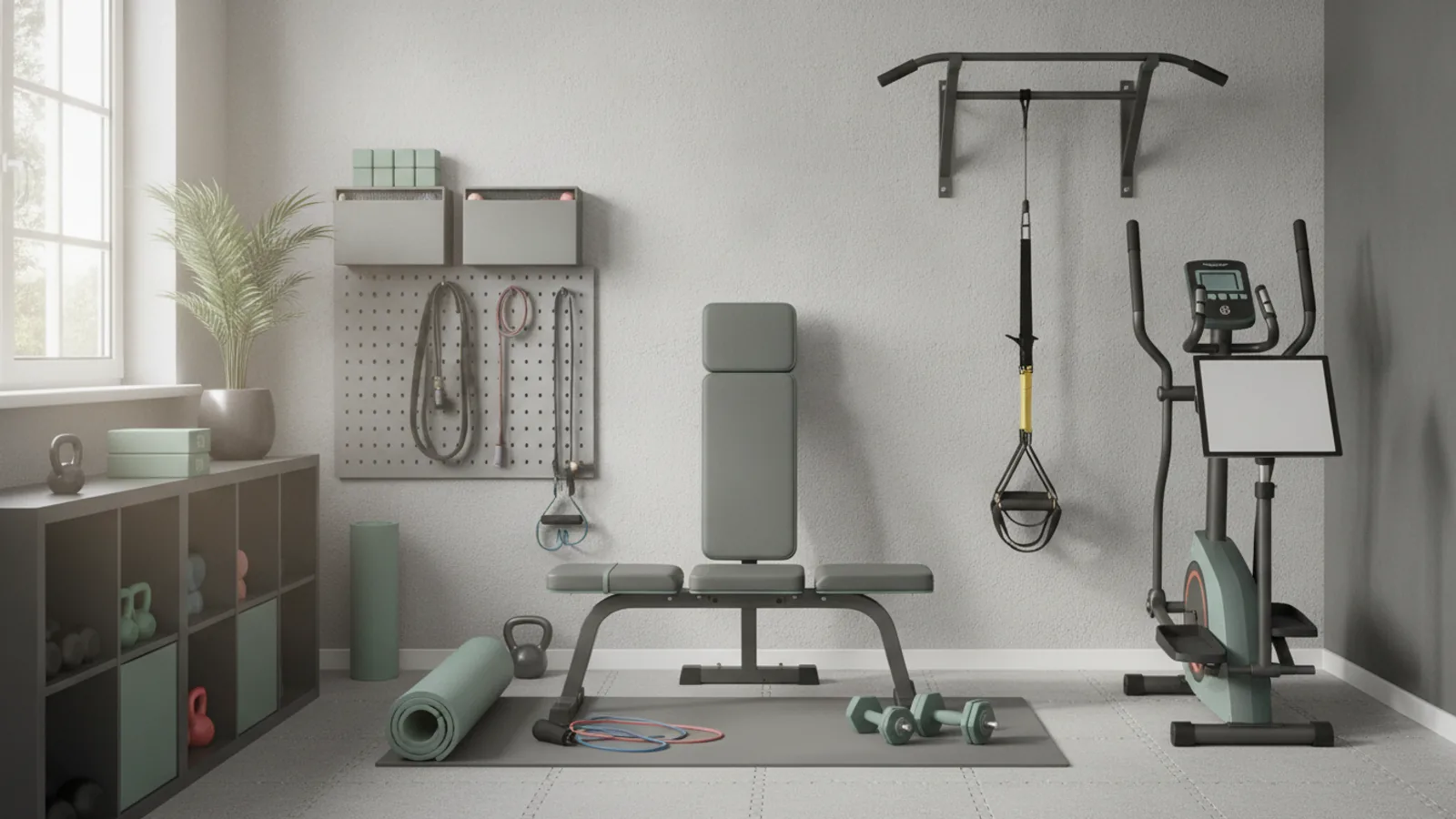
- **Fix:** Look up! Install wall-mounted shelves, pegboards, or floating cabinets. Even small wall nooks can hold a single shelf for decorative items or essential tools. Utilize the space above doors or windows for lightweight storage.
Tangled Cables and Wires
Modern studios are full of devices, and without proper management, cables can quickly become an eyesore and a tripping hazard, making the space feel messy and unprofessional.
- **Fix:** Implement cable management from the start. Use cable ties, sleeves, and adhesive clips to bundle and route wires neatly. A cable management box can hide power strips and excess cords under your desk. Go wireless where possible to reduce the number of cables.
Advanced Tips for Small Studio Template Ideas
Once you've mastered the basics, these advanced tips can help you elevate your small studio to the next level of efficiency and style.
Integrate Smart Home Technology Thoughtfully
Smart devices can enhance functionality without adding clutter. Consider smart lighting systems (like bulbs that change color or brightness) to adapt your studio's ambiance for different tasks. A smart speaker can provide background music or act as a timer without taking up much space. Look for devices that offer multiple functions in one compact unit.
Acoustic Treatment for Sound Quality and Privacy
If your small studio is used for audio-sensitive tasks like podcasting, music production, or even video calls, consider basic acoustic treatment. Fabric wall panels, thick rugs, and heavy curtains can help absorb sound, reducing echo and improving sound clarity. This also adds a layer of privacy, dampening sounds from outside your studio space.
Leverage Psychology of Color and Texture
Beyond just light colors making a room seem larger, specific hues and textures can impact your mood and productivity. Cool tones (blues, greens) often promote calm and focus, while warm accents (yellows, oranges) can add energy. Incorporate different textures through textiles (rugs, cushions) or wood elements to add depth and interest without clutter.
Modular and Custom Built-in Solutions
For a truly optimized small studio, consider modular furniture systems that can be reconfigured or expanded as your needs change. If you're handy or can invest, custom built-ins are the ultimate space-saving solution. A custom desk that fits perfectly into an alcove or built-in shelving that goes floor-to-ceiling can make the most of every unique dimension of your space.
Portable and Collapsible Gear
Think about gear that isn't always needed. Can your secondary monitor be easily put away? Do you have a collapsible softbox for photography? Invest in items that can be stored compactly when not in use. This keeps your studio footprint minimal most of the time, freeing up space for daily activities.
Greenery for Health and Aesthetics
Even small plants can significantly improve air quality and add a touch of life to your studio. Choose low-maintenance plants that thrive in indoor conditions. Use wall-mounted planters or hanging baskets to incorporate greenery without sacrificing precious surface space. Plants can boost mood and creativity, making your small studio a more pleasant place to be.
Small Studio Template Ideas FAQ
Q: How do I make a tiny room feel bigger?
A: To make a tiny room feel bigger, use a light color palette for walls and furniture, maximize natural light, and strategically place mirrors. Choose furniture that is scaled to the room, has legs (allowing light to pass underneath), or is multi-functional. Keep clutter to a minimum and utilize vertical space for storage.
Q: What's the most important thing for a small studio?
A: The most important thing for a small studio is defining its primary purpose and then planning its layout and storage accordingly. Without a clear purpose, it's easy to create a disorganized, inefficient space that doesn't meet your needs. Efficient storage and smart, multi-functional furniture come in a close second.
Q: How can I hide clutter in a small space?
A: Utilize closed storage solutions like cabinets, drawers, and lidded bins. Ottomans with storage, under-bed boxes, and storage benches are excellent for hiding items. Wall-mounted shelving with baskets or decorative boxes can also conceal smaller items while looking neat. Regular decluttering is key to preventing clutter from accumulating.
Q: Can I have multiple "zones" in one small room?
A: Yes, absolutely! You can create different zones in a small room by using furniture placement (e.g., a desk against one wall, a reading chair in a corner). Rugs can visually define areas, and tall, open shelving units can act as soft dividers without completely blocking light or making the room feel smaller. The key is to keep each zone distinct but harmonious with the overall space.
Q: What kind of desk is best for a small studio?
A: For a small studio, a desk that is compact, wall-mounted, or has a slim profile is ideal. Desks with built-in storage or a hutch can also be very efficient. Corner desks make good use of awkward spaces, and floating desks free up floor space entirely. Prioritize a desk that fits your main equipment and allows for comfortable work.
Final Checklist for Small Studio Template Ideas
Before you consider your small studio complete, run through this final checklist to ensure you've covered all the essential bases:
- **Purpose Defined:** Have you clearly identified the main function(s) of your studio?
- **Space Measured Accurately:** Are all dimensions of your room and key items precisely accounted for?
- **Decluttering Done:** Is the space free from unnecessary items that don't serve the studio's purpose?
- **Layout Optimized:** Does the furniture arrangement allow for good flow and maximize functionality?
- **Furniture Smartly Chosen:** Are your furniture pieces compact, multi-functional, and appropriately scaled?
- **Storage Solutions in Place:** Have you utilized vertical space and hidden storage effectively?
- **Lighting Sufficient:** Is there adequate natural light, task lighting, and ambient lighting?
- **Personalization Thoughtful:** Does the decor inspire you without creating visual clutter?
- **Cables Managed:** Are all wires and cords neatly organized and out of sight?
- **Studio Tested:** Have you spent time in the space to ensure comfort and efficiency?
- **Regular Maintenance Plan:** Do you have a strategy for ongoing decluttering to keep the studio pristine?